Skip to content

A backyard pool is one of the biggest outdoor investments a homeowner can make, and the construction method you choose shapes everything that follows: the design freedom you have, the schedule, the long-term upkeep, and the way the finished pool looks and feels. Among all the options, gunite remains the go-to choice for custom, high-end projects. This guide walks you through how gunite pools are designed and built, what to expect at each stage, how they compare with fiberglass swimming pools, and how to choose the right professional for the job. Whether you are just starting to search for gunite pools near me or you are already comparing quotes, you will come away knowing which questions to ask and what a quality build looks like.
What Is a Gunite Pool?
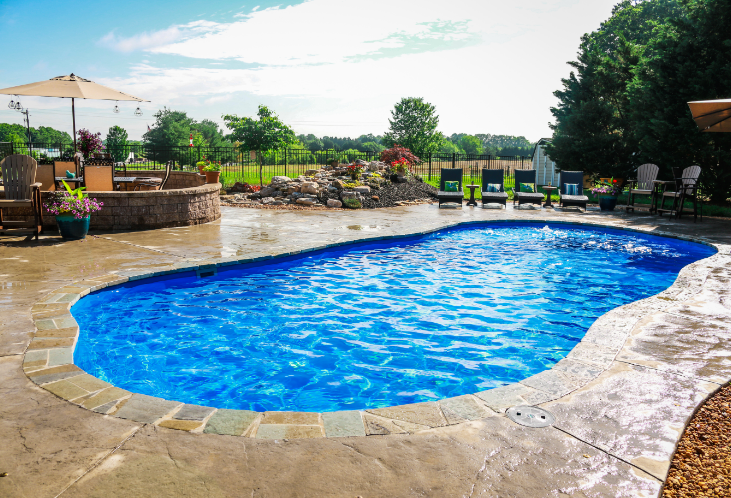
Gunite is a mixture of sand and cement that is sprayed at high pressure over a steel rebar framework. The result is a dense, durable concrete shell that is shaped on site, which is why gunite is so closely associated with fully custom pools.Why Homeowners Choose Gunite
The appeal comes down to a few clear advantages:- Unlimited shape and size. Freeform curves, geometric lines, deep diving ends, and oversized footprints are all possible.
- Built-in features. Tanning ledges, swim-up bars, spillover spas, and negative-edge walls integrate naturally into the shell.
- Long-term strength. A properly engineered concrete shell is built to last for decades.
Gunite vs. Shotcrete
You will sometimes hear “shotcrete” used interchangeably with gunite. Both are sprayed concrete methods. The main difference is that gunite is applied as a dry mix with water added at the nozzle, while shotcrete is pre-mixed wet. A skilled gunite pool contractor can explain which method suits your project, but the finished result is a reinforced concrete shell either way.Step One: Designing Your Gunite Pool
Great pools start with great planning. Design is where a luxury pool builder earns its reputation, because the decisions made here affect how the space is used for years.Start With How You Live
Before choosing a shape, think about how your family will actually use the pool. Consider these questions:- Will it be used mostly for lap swimming, entertaining, or family play?
- Do you want a spa, a sun shelf, or a water feature?
Site Evaluation and Layout
A thorough site review looks at slope, soil conditions, drainage, sun exposure, access for equipment, utility lines, and local setbacks. In the Hudson Valley, where properties often include grades, rock, and mature trees, this step is essential. It tells your in ground pool contractor how to excavate, where to place equipment, and how to protect the surrounding landscape.3D Renderings and Material Selection
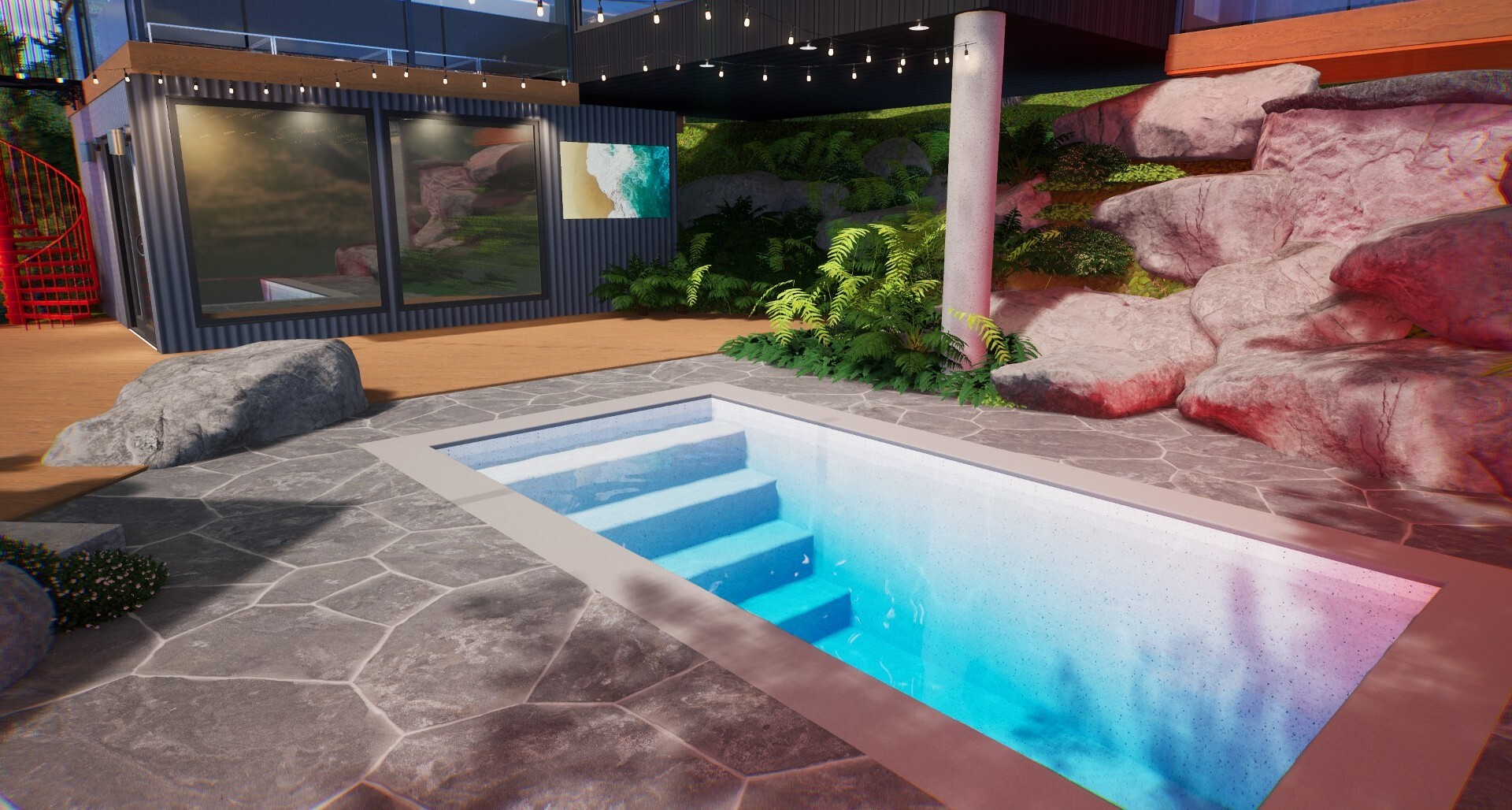
Many premium builders now provide 3D renderings so you can see the pool in your yard before any ground is broken. This is also when you choose interior finishes, coping, tile, decking, lighting, and automation. Selecting materials early helps keep the budget predictable and the schedule on track.Step Two: The Gunite Pool Installation Process
Understanding the sequence of gunite pool installation takes the mystery out of the project. While every site is different, most builds follow the same core phases.1. Permits and Layout
Your builder submits plans and secures permits, then marks the pool outline on the ground. Permitting timelines vary by town, so it is smart to start early.2. Excavation
Heavy equipment removes soil to the planned depth and shape. Careful excavation is critical because it sets the foundation for everything else.3. Steel Framework and Plumbing
Crews tie a grid of rebar into the exact shape of the pool, then install main drains, returns, skimmers, and plumbing lines. Inspections typically happen at this stage, before any concrete is applied.4. Gunite Application
The gunite mixture is sprayed over the steel framework and shaped by hand into walls, floors, steps, and benches. The shell then cures for a period so it can reach full strength.5. Tile, Coping, and Decking
Once the shell has cured, tile and coping are set and decking is installed. This is where the pool begins to take on its finished, polished look.6. Interior Finish and Fill
The interior surface, whether plaster, pebble, or glass bead, is applied, and the pool is filled with water. The builder then starts up the equipment and balances the water chemistry. A typical custom build runs several months from permits to first swim, with weather and design complexity affecting the timeline.Gunite vs. Fiberglass: Choosing the Right Pool for Your Yard
Gunite is not the only path to a beautiful pool, and an honest builder will tell you when another option fits better. Fiberglass pools are a strong alternative, and many homeowners researching fiberglass pools near me end up comparing the two methods side by side.How Fiberglass Swimming Pools Are Built
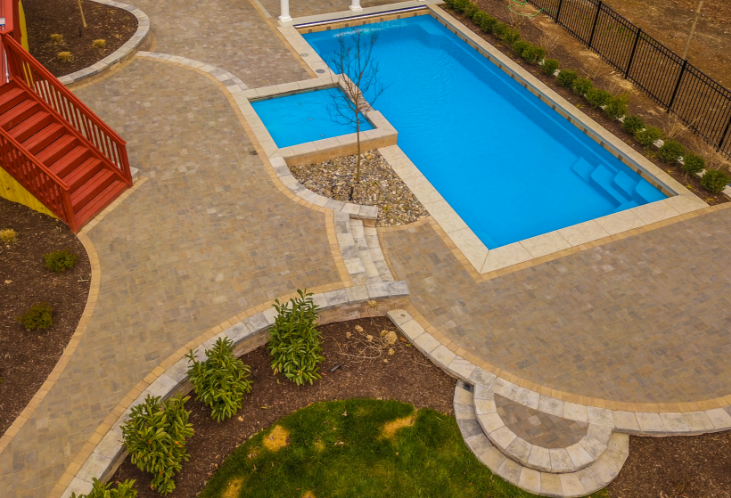
Fiberglass swimming pools are manufactured as a single molded shell in a factory, then delivered and lowered into an excavated hole. Because most of the work happens off site, installation is usually faster than a concrete build, and the smooth gel-coat surface is naturally resistant to algae.Key Differences at a Glance
- Design flexibility: Gunite is fully customizable, while fiberglass is limited to the shapes and sizes available from the manufacturer.
- Installation speed: Fiberglass is generally quicker to install, while gunite takes longer because the shell is formed and cured on site.
- Surface and upkeep: Fiberglass has a smooth non-porous finish, while gunite surfaces such as plaster or pebble may require periodic swimming pool resurfacing.
Which One Is Right for You?
If you want a one-of-a-kind footprint, integrated spa, or a pool tailored to an unusual lot, gunite is the natural fit. If you value a faster timeline and a low-maintenance surface, a qualified fiberglass pool builder can show you models that deliver both. Working with a fiberglass pool contractor who also understands concrete construction means you get an unbiased recommendation instead of a sales pitch for one product.Maintaining a Gunite Pool and Planning for Resurfacing
A gunite shell is built to last, but the interior finish is what you see and touch every day, so it deserves attention.Everyday Care
Consistent water chemistry is the single best way to protect your finish. Balanced pH, alkalinity, and calcium hardness prevent etching, scaling, and staining. Regular brushing and filtration also keep the surface clean and smooth.When Swimming Pool Resurfacing Makes Sense
Even well-maintained finishes wear over time. Signs that swimming pool resurfacing may be due include:- Rough, chalky, or worn patches on the surface
- Persistent stains, cracking, or visible flaking
How to Choose the Right Gunite Pool Builder
The quality of your pool depends as much on the team as on the materials. When you compare a gunite pool builder or a general in ground pool contractor, look closely at these areas:Experience and Credentials
Choose a licensed and insured company with a track record in your region. Ask to see completed projects similar to yours, and request references you can contact directly. A reputable gunite pool contractor will be happy to share them.Communication and Transparency
A professional proposal should spell out the scope of work, materials, payment schedule, timeline, and warranty in writing. Vague quotes are a red flag, since missing details often turn into change orders later.Design and Craftsmanship
The best luxury pool contractor combines creative design with disciplined construction. Look for clean tile lines, symmetrical coping, tidy equipment pads, and thoughtful integration with the surrounding landscape. These details separate an average pool from a showpiece.Why Hudson Valley Homeowners Choose Coastal Pools and Spas
Coastal Pools and Spas is a luxury pool builder serving the Hudson Valley and surrounding communities, delivering custom outdoor living spaces from the first concept to the final cannonball. The team designs and builds gunite pools, and also installs fiberglass pools, so every homeowner receives guidance based on what suits their property and lifestyle rather than a one-size-fits-all approach. From site evaluation and 3D design to construction, finishing, and long-term care, the process is handled with clear communication and careful craftsmanship. If you are comparing a gunite pool builder with a fiberglass pool builder, a conversation with the Coastal Pools and Spas team can help you weigh the options with confidence.Ready to Start Your Gunite Pool?
A well-designed gunite pool can transform your backyard into a private retreat that adds enjoyment and value to your home for decades. Start by defining how you want to use the space, then partner with an experienced team that can guide you through design, construction, and care. Contact Coastal Pools and Spas today to schedule a consultation and begin planning your dream pool.Frequently Asked Questions
How long does it take to build a gunite pool?
Most custom gunite pools take roughly 10 to 16 weeks from permits to first swim, depending on design, weather, and permit timelines in your town.
Is gunite better than fiberglass?
Gunite offers unlimited custom shapes and sizes, while fiberglass installs faster from a factory mold. Your yard, budget, and design goals decide the better fit.
How often does a gunite pool need resurfacing?
Plaster typically needs swimming pool resurfacing every 10 to 15 years, while pebble finishes often last longer. Water chemistry and care affect lifespan.
How do I choose a gunite pool contractor?
Look for a licensed, insured gunite pool contractor with local references, portfolio work, and a clear written scope, schedule, and warranty.
Are gunite pools worth it in the Hudson Valley?
Yes, if you want custom design. Gunite handles freeze-thaw climates well when properly engineered, and it supports spas, beaches, and negative edges.