Skip to content
This blog is a comprehensive guide for homeowners considering fibreglass pools, fibreglass inground swimming pools, or any inground pool installation. Whether you’re searching for “fiberglass pools near me,” evaluating fiberglass pool costs, or comparing gunite and vinyl options, this blog will walk you through pool design, pool models, installation steps, costs, financing, and renovation choices. Use this as your go-to resource to find the right fiberglass pool manufacturer, dealer, or contractor near you and to understand why fiberglass swimming pools and composite fiberglass pools are an increasingly popular choice for backyard pools.
Fiberglass Pool Basics: What Makes Fibreglass Pools Durable and Popular
Fibreglass pools are pre-manufactured fiberglass pool shells installed into an excavated site. These in-ground fiberglass pools and fibreglass pool shells arrive as single-piece units built by a fiberglass pool manufacturer or composite fiberglass pool maker. The durability of a fiberglass in ground pool comes from the composite materials often including a vinyl ester barrier coat and durable fiberglass layers that resist staining and reduce the need for constant resurfacing. Compared to concrete pools or gunite pools, fiberglass pools are known for faster installation, fewer chemicals, and a smooth, non-porous finish that enhances swimmer comfort.
What is a fiberglass pool shell?
A fiberglass pool shell is the finished structure manufactured off-site and delivered ready for installation. The pool shell includes the interior finish, integral steps, benches, and often built-in spa or plunge pool components. Manufacturers of in-ground fiberglass pool shells offer a variety of fiberglass pool shapes and sizes rectangular, freeform, plunge pool, and luxury models so homeowners can choose a pool model that fits their backyard pool design and lifestyle.
Why choose fibreglass over vinyl or concrete?
Fibreglass pools require fewer chemicals than vinyl-lined pools and are less prone to algae growth because of the smooth gel-coat finish. Compared to gunite or concrete pools, fiberglass inground pools often have lower fiberglass pool costs for similar installation timelines and reduced long-term maintenance. Concrete pools may allow more custom shapes but usually demand resurfacing or pool renovation sooner, whereas durable fiberglass pool shells maintain their finish longer.
Finding a Fiberglass Pool Dealer, Builder, or Contractor Near You
When you search for “fiberglass pool dealer,” “fiberglass pool builder,” or “fiberglass pool contractor near me,” you want a company experienced with in-ground fiberglass pool installation, pool design, and the specific pool model you prefer. A reputable pool company should offer a range of fiberglass pool shapes and sizes, explain pool cost estimators, and provide references for past installations and luxury pool builds.
Questions to ask a pool builder or dealer
- Are you a certified fiberglass pool manufacturer dealer or installer for specific pool models
- What fiberglass pool shapes do you install rectangular, freeform, plunge pool, or custom shapes?
- Can you provide a pool cost estimator for both installation and ongoing maintenance?
- Do you handle permits, site prep, in-ground pool lights, decking, and filtration systems?
- What financing options or pool financing programs do you offer?
Designing Your Backyard Pool: Shape, Size, and Features
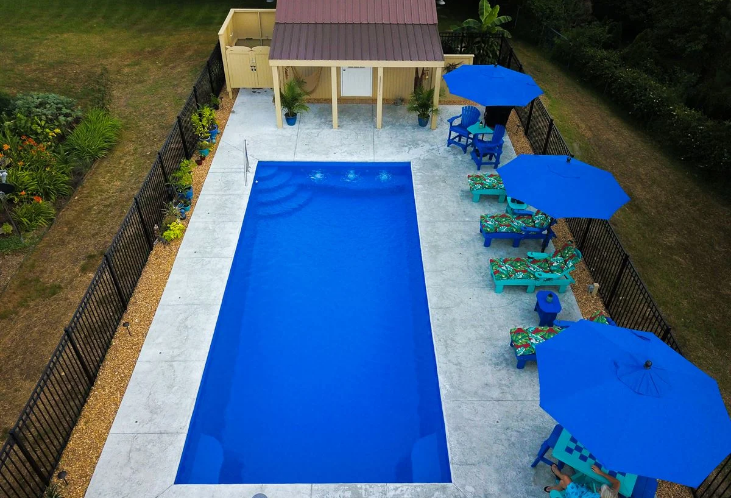
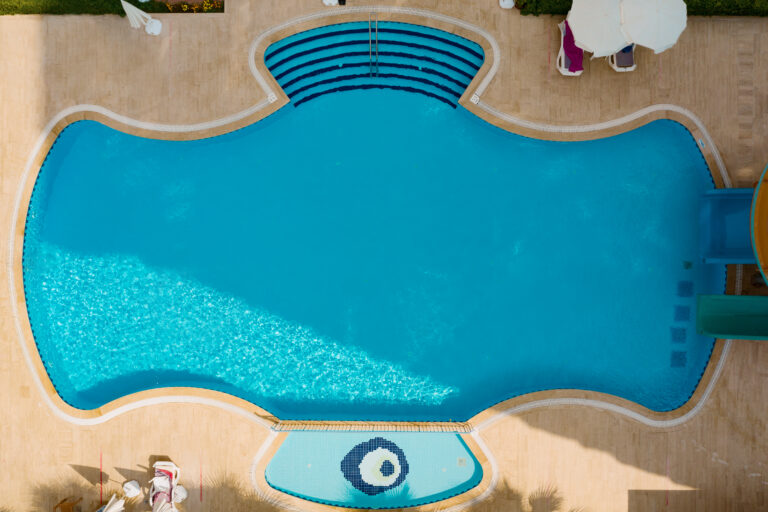
Fiberglass pools come in a variety of sizes and shapes to suit backyard constraints and personal preference. Popular fiberglass pool shapes include rectangular for lap swimming, freeform for naturalistic landscapes, and plunge pools for small yards or relaxation spaces. Choose a pool design that integrates spa seating, steps, ledges, and optional in-ground pool lights for evening swims.
Selecting the right pool model and shape
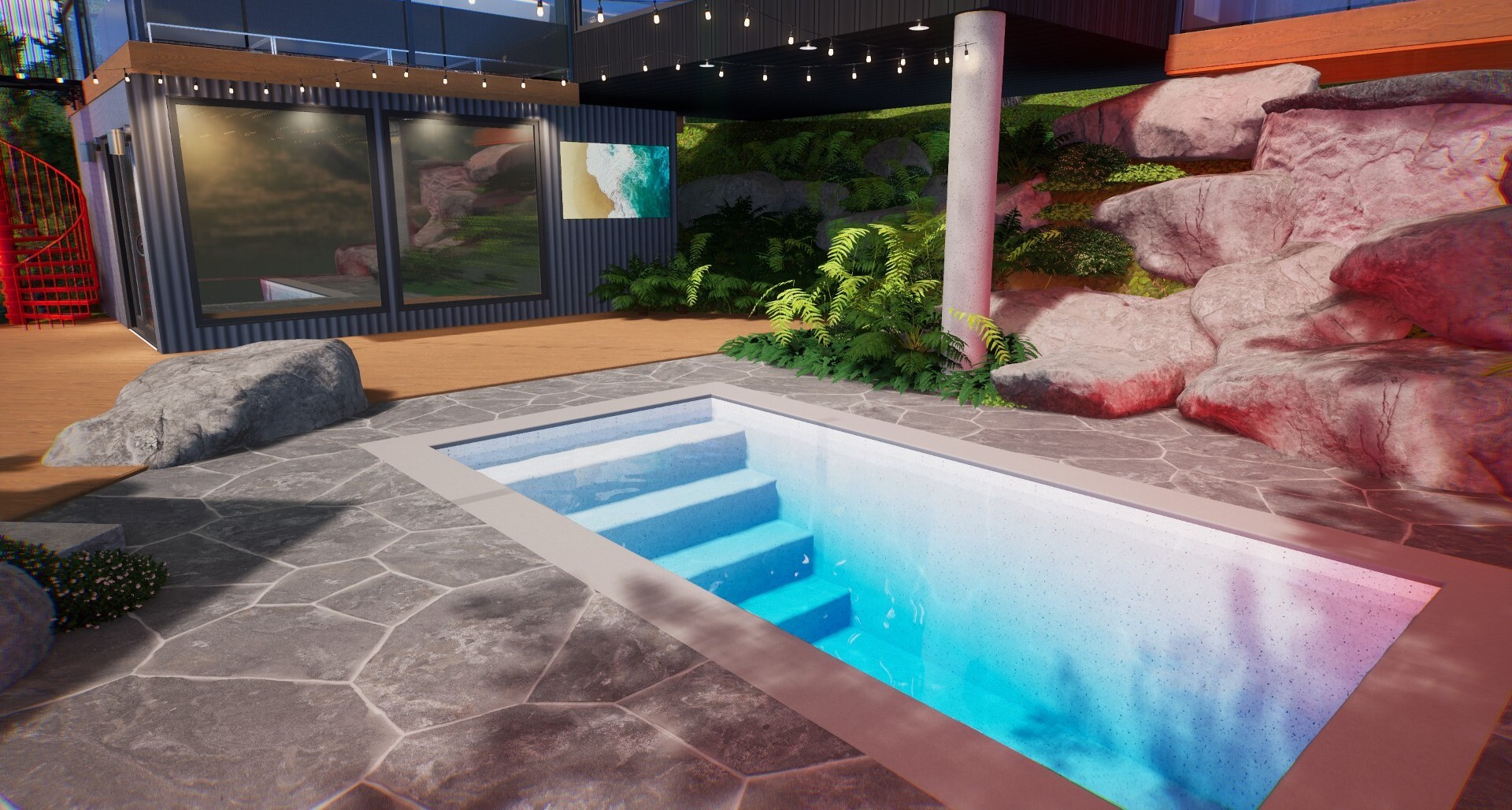
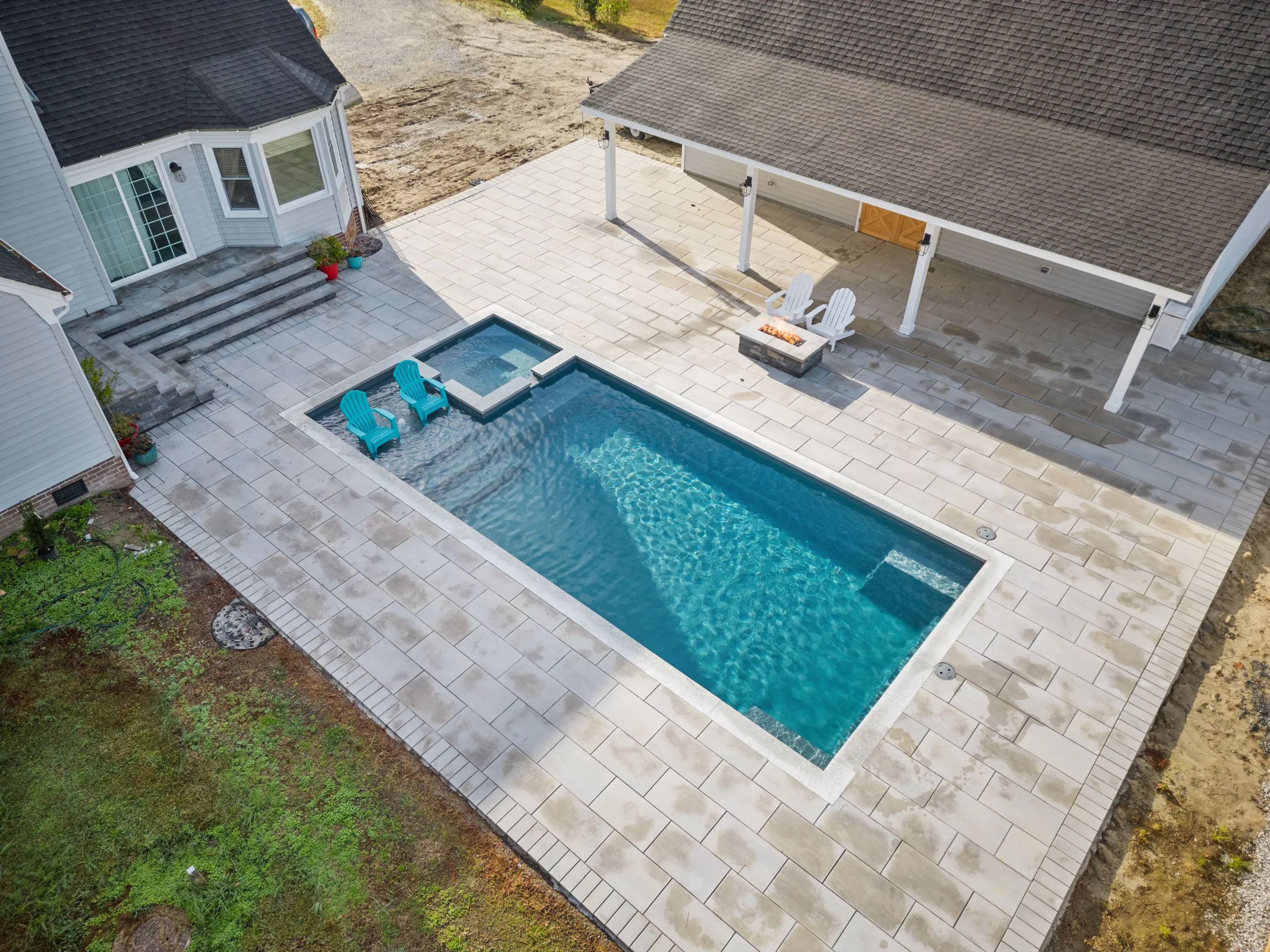
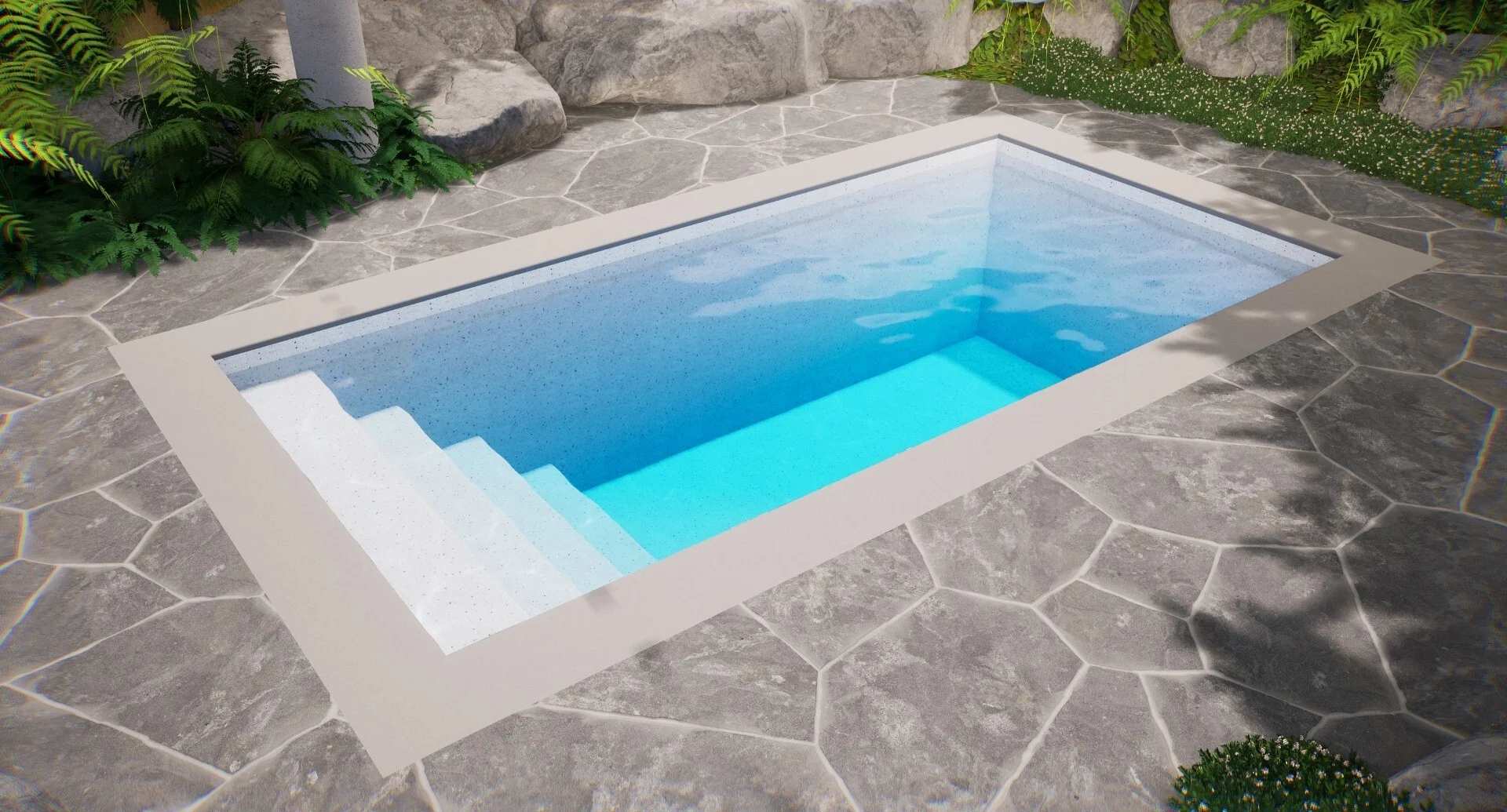
Consider how you plan to use the pool: active swim and exercise, family play, relaxation and spa-like comfort, or a combination. Rectangular pools are ideal for structured swimming, while freeform shapes can maximize usable backyard space and aesthetic appeal. Plunge pools and small fibreglass inground models are perfect for tight spaces or when you want low maintenance, energy-efficient options. Many fiberglass pool manufacturers create pool models with integrated spas or benches for added luxury.
Materials and finishes
Look into vinyl ester barrier coats and high-quality gel coats that increase durability and resistance to osmosis. A durable fiberglass finish reduces the need to resurface and helps the pool remain visually attractive for years. Composite fiberglass swimming pools also offer consistent finishes that are easier on skin and swimsuits compared with rough plaster finishes found in concrete pools.
Installation Process: How to Install a Fiberglass Pool
Fiberglass pool installation is often faster than other pool types. The process generally includes site evaluation, excavation, base preparation, setting the fibreglass pool shell, plumbing and filtration connections, backfilling, and decking. After the shell is set and secured, technicians fill the pool and bring equipment online, adding in-ground pool lights, automatic pool controls, and heating systems if desired.
Timeline and what to expect
A typical fiberglass pool installation can be completed in a few weeks under good conditions, compared to months for gunite or concrete. This faster timeline reduces landscaping disruption and allows homeowners to enjoy their new pool sooner. Fiberglass pools are often described as easier to install because the primary structural work the pool shell is done in the manufacturing facility by experienced fiberglass pool manufacturers.
Costs and financing
Fiberglass pool costs vary by pool size, shape, site complexity, and added features like decking, spas, and in-ground fiber optic lighting. Use a pool cost estimator provided by your dealer or builder to budget properly. Many pool companies offer pool financing or payment plans to make a new pool more affordable. Remember to include long-term costs such as chemical usage, heater operation, and occasional maintenance. One advantage: fibreglass pools often require fewer chemicals, which can lower operating costs over time.
Comparing Gunite, Concrete, Vinyl, and Fibreglass
Understanding the differences between concrete pools (including gunite), vinyl-lined pools, and fibreglass pools helps you choose the right type for your needs. Gunite pool installation and gunite pool renovation are common services offered by concrete pool contractors, while fiberglass pool contractors focus on shell delivery and setting. Each type has pros and cons:
- Gunite/Concrete pools: Highly customizable in shape and depth, ideal for unique designs and luxury pools, but they typically require longer installation time and more frequent resurfacing.
- Vinyl pools: Lower initial cost but liner replacement every few years can be costly; shapes are somewhat limited by the structure.
- Fiberglass pools: Faster installation, durable finish, lower chemical use, and fewer resurfacing needs; shape options depend on available shell models from manufacturers.
When to choose renovation or resurface
Many owners of older concrete or gunite pools opt to resurface or renovate. Renovation can include replacing finishes, adding in-ground pool lights, updating filtration, or converting a worn concrete pool into a composite fiberglass pool by removing the old structure and installing a fiberglass shell though this is a more extensive project. Pool resurfacing for concrete pools is a common way to revive a backyard pool without changing its type
Maintenance, Longevity and Why Fiberglass Pools Are Low-Maintenance
One major selling point for fiberglass inground pools is long-term durability and lower maintenance. The smooth gel-coat finish resists algae growth and staining, which translates to fewer chemicals and easier cleaning. Occasional repairs to the surface are rare compared to plaster in concrete pools that may need resurfacing or patching.
Common maintenance tasks
- Regular water chemistry checks to maintain safe swim conditions.
- Cleaning filters and skimmer baskets and vacuuming as needed.
- Seasonal checks of pool equipment, heaters, and in-ground pool lights.
With proper care, a durable fiberglass pool can last decades. Many homeowners choose fiberglass for the combination of lower ongoing costs, faster installation, and the comfort of a smooth finish.
Luxury Pool Options and Custom Features
For those looking to build a luxury pool, fiberglass inground options can include infinity edges, integrated spas, multiple benches, tanning ledges, and decorative lighting. While fibreglass pools are manufactured, many fiberglass pool manufacturers and dealers offer custom enhancements and landscaping packages that create a luxury backyard oasis. A luxury pool contractor can coordinate with landscape designers to add features like automatic pool covers, outdoor kitchens, or lighting packages to create a full outdoor living space.
Making your pool perfect
To create the perfect pool, balance aesthetics with functionality: choose a pool shape and size that fits the property, select durable finishes, and invest in energy-efficient equipment. Adding a plunge pool or spa element can enhance relaxation and increase property value. Work closely with your pool builder to choose a pool model that meets your needs and budget.
Choosing the Right Manufacturer and Installer
Select a manufacturer and installer that have a reputation for high-quality fibreglass inground pools and reliable installation practices. The largest manufacturers of in-ground fiberglass and regional manufacturers of in-ground fiberglass swimming pools often have lists of authorized dealers and installers ask to see references and completed projects. A professional contractor will handle permits, excavation, installation, and long-term service.
Evaluating bids and proposals
When comparing quotes from pool builders, ensure each bid covers the same scope: excavation, base prep, shell installation, plumbing and electrical, decking, coping, and final fill. Beware of extremely low bids that omit necessary steps. Use a detailed pool cost estimator to compare apples to apples and ask about warranty coverage from both the manufacturer and the installer.Conclusion: Are Fibreglass Pools Right for You?
Fibreglass pools offer a compelling combination of speed of installation, durable fiberglass finishes, fewer chemicals, and a variety of fiberglass pool designs and pool models to fit many yard sizes and budgets. Whether you choose a rectangular lap pool, a freeform family design, a plunge pool for a small backyard, or a luxury fiberglass inground pool with a spa, working with an experienced fiberglass pool dealer and installer will help you achieve the perfect pool for your lifestyle. This blog has aimed to highlight the advantages, design choices, installation process, and maintenance considerations to help you make an informed decision.
If you’re ready to install a fiberglass pool, search for “fiberglass pools near me,” request multiple quotes, and evaluate fiberglass pool costs and financing options. With the right pool builder and design, a durable fiberglass pool can provide years of swim, relaxation, and enjoyment for your family