Skip to content
Are you thinking of installing a pool and wondering which option stays strong longer or gives you more freedom to design?
It’s a common concern for homeowners who want something that works with their lifestyle and budget while holding up over the years. Out of the many choices you can go with, Gunite Pools often come up as the better pick so it’s worth knowing how they stack up next to standard concrete pools.
A pool is more than just a luxury since it adds value and becomes part of your everyday life so making the right choice matters. Some people want something that looks sleek while others prefer low maintenance or long term strength. While both pool types use concrete at their core the method used can change how they perform and how much upkeep they need.
This guide breaks down what sets them apart so you can decide which pool makes more sense for your home and your future plans.
What is The Real Difference Between Concrete & Gunite Pools: Let’s Find Out!
Concrete and gunite pools share some basic traits while their differences matter when it comes to installation methods as well as durability and customization.
What Is a Gunite Pool?
Gunite uses a dry mix method where sand and cement move through a hose using air pressure then water gets added at the nozzle. That spray on method helps form a dense shell that resists cracking and holds shape better over time.
Since the water only gets added at the end contractors can stop and start the work without affecting the quality. That means gunite works well for custom pools that need curves or extras like tanning ledges or raised walls.
What Is a Traditional Concrete Pool?
Standard concrete pools use a wet mix where water and cement blend before pouring starts. That mix goes into the pool form in one go then hardens into the base shape. The work must move fast while the material stays wet so it needs steady progress without long stops.
Concrete pools still offer strong shells and support creative designs though the process takes more time and care.
Strength and Longevity
Both pool types hold up well but Gunite Pools tend to outlast standard concrete ones while showing fewer signs of wear. When built the right way gunite sticks to rebar frames then forms a thick shell that does not shrink or shift easily.
Gunite also supports your finish coat better whether you choose plaster or tile. That means fewer cracks over time while keeping the inside smooth and sealed.
Customization and Shape Options
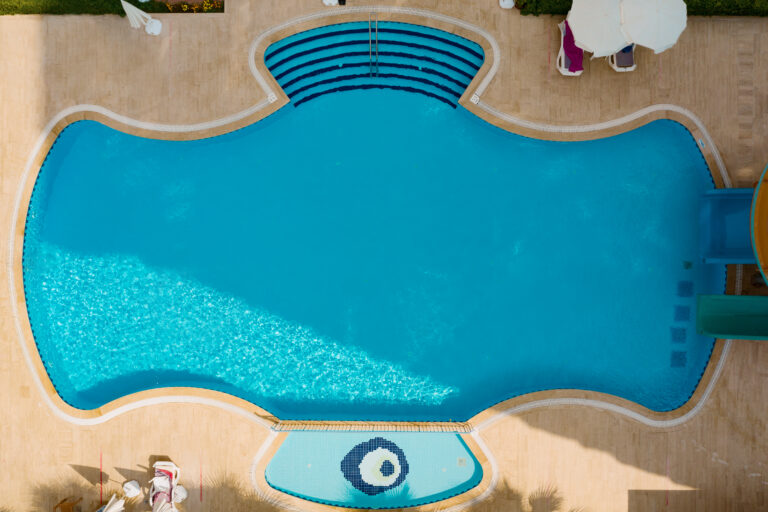
One main reason people go with Gunite Pools is the design freedom. If you want a curved wall or steps that flow with the yard then gunite helps get it done. The dry mix method lets builders shape the pool as they spray it which saves time while improving accuracy.
Concrete pools can still offer shape options though they take more setup time and limit how smooth the transitions feel.
Installation Time and Process
Gunite takes a little longer since the steps include digging the area then framing it with rebar then spraying the mix then letting it cure before adding the surface and tiles. The longer timeline can lead to better results since builders can adjust details without rushing.
Concrete pools need a one time pour where the crew works without breaks. That setup depends more on good weather and exact timing since the mix cannot stop once it starts.
Maintenance and Surface Upkeep
Both pool types need care each season though Gunite Pools often last longer before needing a surface refinish. You can expect 10 to 15 years before the plaster or pebble coat wears down.
Concrete pools might show surface issues sooner like small cracks or rough spots though good care helps reduce that. Cleaning and balancing the water stays the same for both pool types.
Cost and Long Term Value
Gunite usually costs more up front though the value makes sense over time. You save on repairs and keep the same pool looking good for decades. When it comes to performance and lifespan Gunite Pools offer more return on your budget.
Concrete pools can cost less at the start though they may need patching or resurfacing more often. If you want a pool that lasts and fits your exact space then gunite gives you more in the long run.
Frequently Asked Questions
Which pool type lasts longer?
Gunite pools hold up longer with fewer repairs when you follow good care routines.
Can I customize the shape of both pool types?
Yes while gunite lets you add more features like built in seating or raised walls.
Is a gunite pool better for colder climates?
Yes since it handles temperature changes and shifting ground without cracking.
Do gunite pools require more maintenance?
No they often stay solid longer so you refinish them less.
Which surface finish works best with gunite?
Plaster as well as pebble and tile all work well with gunite shells.
Want a Pool That Lasts Decades and Fits Your Style?
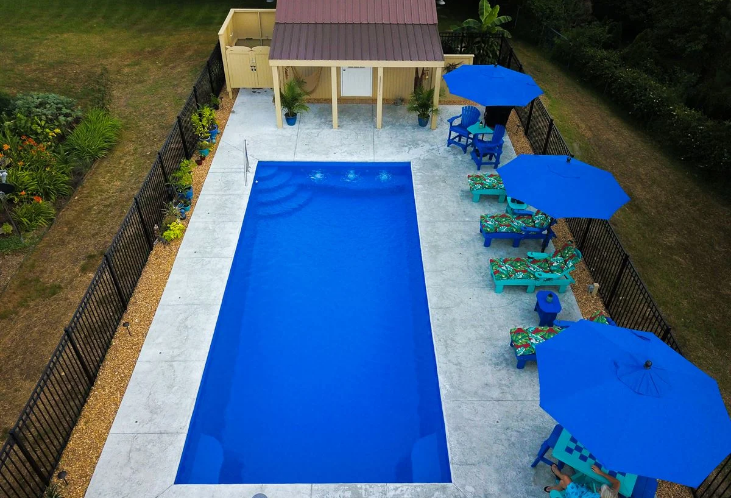
If you’re thinking about a pool that lasts and keeps its shape, Inground Fiberglass Swimming Pools offer real value. They are known for their ability to handle rough weather and design changes, maintaining their strength and appearance year after year. Unlike traditional pools, Inground Fiberglass Swimming Pools allow for more customization, offering flexibility in shape. Whether you prefer sleek straight lines or beautiful curves, these pools can easily accommodate unique features like water fountains, waterfalls, and other decorative elements.
At Coastal Pools & Spas, we specialize in designing and building Inground Fiberglass Swimming Pools that perfectly fit your home and lifestyle. Our expert team ensures that your pool is built to enhance your backyard and provide a stress-free experience, allowing you to enjoy your outdoor space more than ever.
If you want a pool that feels like part of your home while also holding up through hot days and cold nights then Gunite Pools is one of the best choices!