Skip to content
Every year, thousands of homeowners in New York start researching pool options and end up overwhelmed. There are too many materials, too many contractors, and too many opinions online. If you have landed on this page, chances are you have already heard the term fiberglass pools and want to understand whether they are the right fit for your home and your lifestyle. This blog cuts through the noise. We will walk you through exactly what fiberglass pools are, how they are built, what they cost over time, and how they compare against other pool types. By the end, you will have a clear picture of whether a fiberglass pool belongs in your backyard.
What exactly are fiberglass pools
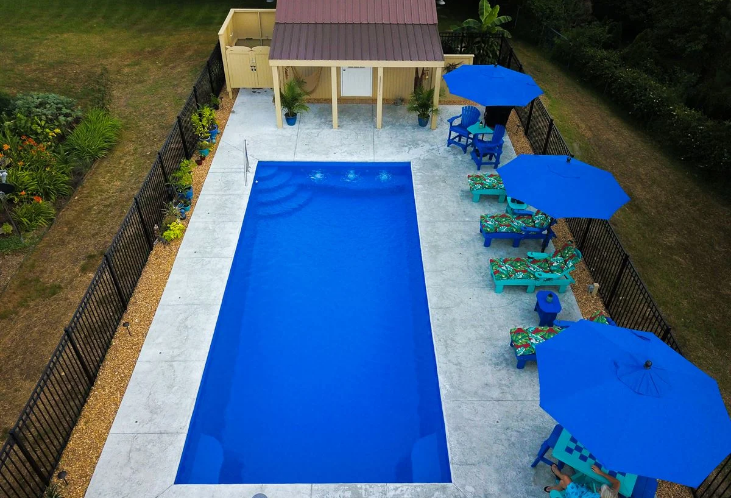
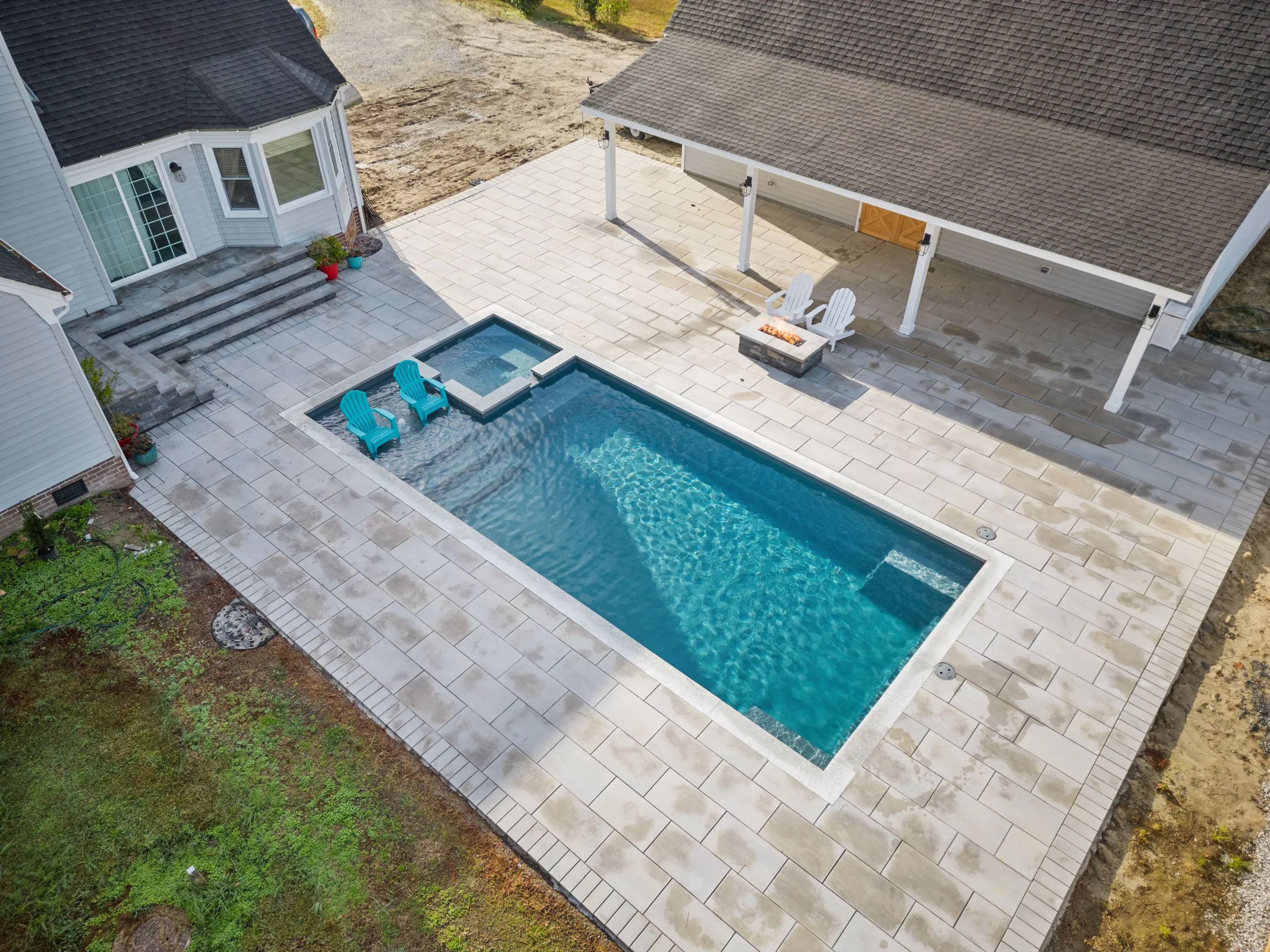
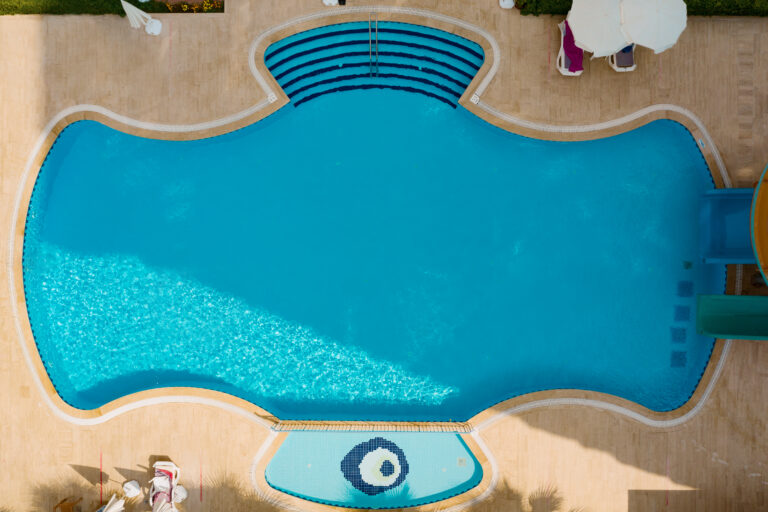
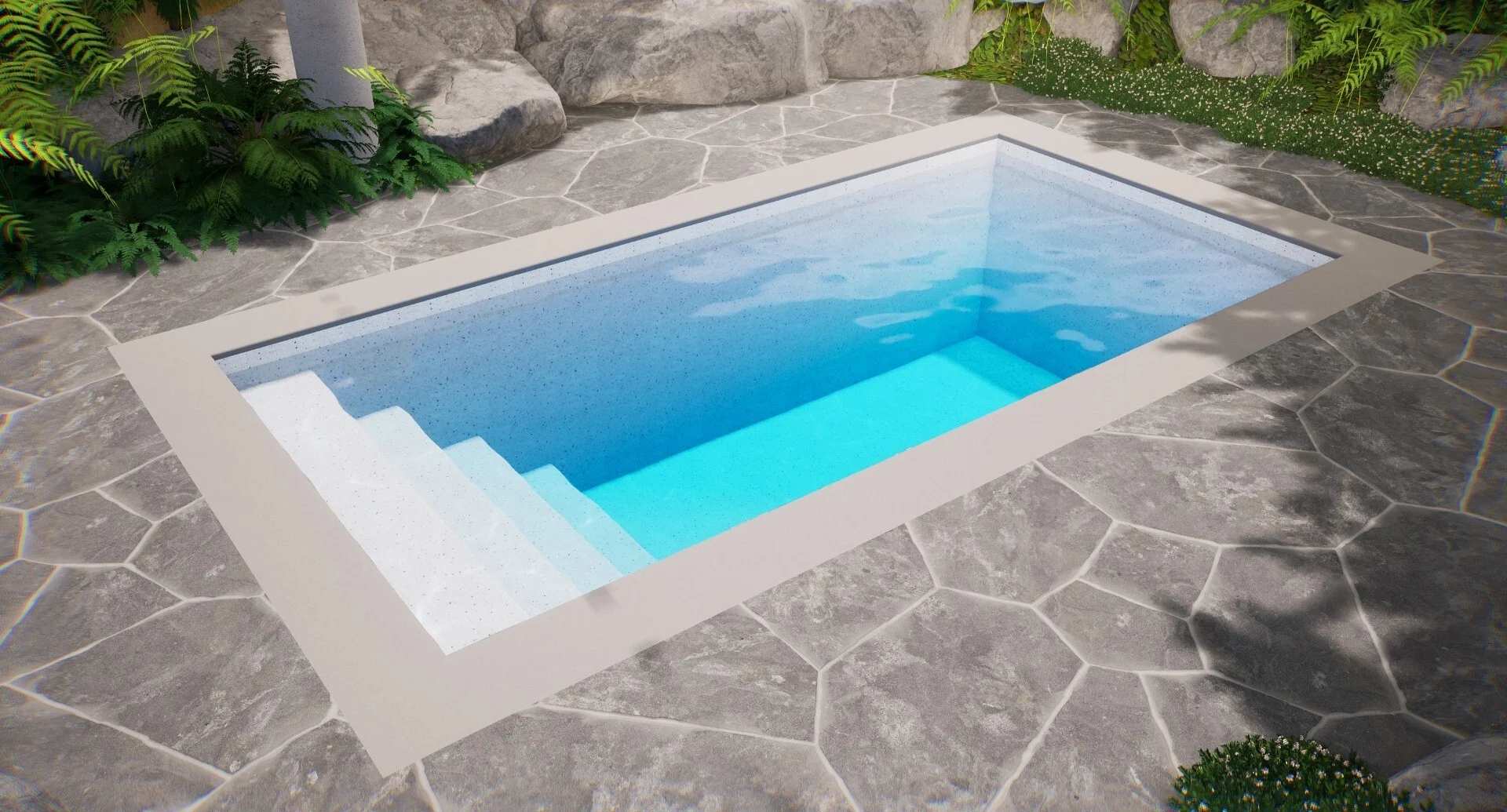
Fiberglass pools are pre-manufactured pool shells made in a factory using layers of fiberglass reinforced with resin. The finished shell is transported to your property on a flatbed truck and lowered by crane into a pre-excavated hole in your yard. Once set and leveled, plumbing and backfill are completed and the pool is ready to use. The defining feature of Fiberglass Pools is their smooth gel-coat surface. The interior is coated with a non-porous finish that resists algae and bacteria buildup, making maintenance much easier compared to traditional pool materials. Unlike concrete surfaces used in many Gunite Pools, fiberglass does not contain microscopic grooves where algae can grow. This helps reduce the amount of cleaning, chemicals, and long-term maintenance required to keep the pool water crystal clear. Both Fiberglass Pools and Gunite Pools offer unique benefits, but fiberglass is especially popular for homeowners looking for a low-maintenance and durable swimming pool option. Fiberglass pools come in a wide range of shapes, sizes, and depths. While you cannot custom-build a shape the way you can with concrete, manufacturers today offer hundreds of mold designs that suit most residential backyards, from simple rectangles to kidney shapes and lagoon styles with built-in tanning ledges and benches.How fiberglass pools are installed step by step
Site preparation and excavation
The process begins with a site assessment. Your contractor will evaluate access to the yard, soil conditions, and utility locations. Excavation typically takes one to two days using a small excavator. The hole is dug slightly larger than the shell to allow room for plumbing and backfill.Shell delivery and placement
The shell arrives on a truck and is lifted into position using a crane. This is one of the most critical stages of installation. A skilled installer will check for level repeatedly during the lowering process, as small errors at this stage are expensive to correct later.Plumbing and backfill
Once the shell is in position and level, the plumbing lines are connected and the pool is slowly filled with water simultaneously as the backfill is packed around the outside. Filling the pool while backfilling prevents the shell from shifting due to soil pressure from the sides.Decking and finishing
With the shell fully set, coping, decking, and any surrounding landscaping can be completed. Most installations are ready for swimming within four to six weeks from the first day of excavation.Fiberglass pools vs. other pool types: how do they compare
| Feature | Fiberglass pools | Concrete/gunite | Vinyl liner |
| Install time | 4 to 6 weeks | 8 to 12 weeks | 3 to 4 weeks |
| Surface feel | Smooth, gel-coat | Rough plaster | Soft liner |
| Algae resistance | Excellent | Low | Moderate |
| Chemical costs | Low | High | Moderate |
| Saltwater system | Ideal match | Possible, treated | Not recommended |
| Resurfacing needed | Rarely | Every 10 to 15 yrs | Every 8 to 12 yrs |
| Custom shapes | Pre-set molds | Any shape | Some flexibility |
| Lifespan | 25 to 30+ years | 40+ years | 15 to 20 years |
| Long-term cost | Lower | Higher | Moderate |
The real cost of owning a fiberglass pool
When homeowners compare pool types, they often focus only on the upfront installation cost. That is a mistake. The total cost of ownership over ten or twenty years tells a very different story. Fiberglass pools require significantly less in chemicals each year because the surface resists algae. They are also far less prone to surface damage that requires professional repair. The gel-coat surface on a well-maintained fiberglass pool can last twenty-five years or more without needing to be refinished, compared to concrete pools that typically need replastering every ten to fifteen years at a cost that can run into thousands of dollars. Heating costs are also lower. Fiberglass is a better insulator than concrete, which means the water retains heat more efficiently and your energy bills stay lower across the swimming season.Are fiberglass pools right for New York winters
This is one of the most common questions homeowners in the Hudson Valley and custom gunite pool design in Westchester County ask. The answer is yes, with proper winterization. Fiberglass pools handle freeze and thaw cycles very well because the shell has some flexibility. It can expand and contract slightly with temperature changes without cracking the way a rigid concrete shell sometimes does. Proper winterization involves balancing the water chemistry, lowering the water level, blowing out the plumbing lines, and installing a cover. A qualified pool contractor can complete this process in a single service visit each fall and reopen the pool in spring in the same amount of time.Why Coastal Pools and Spas is the right choice
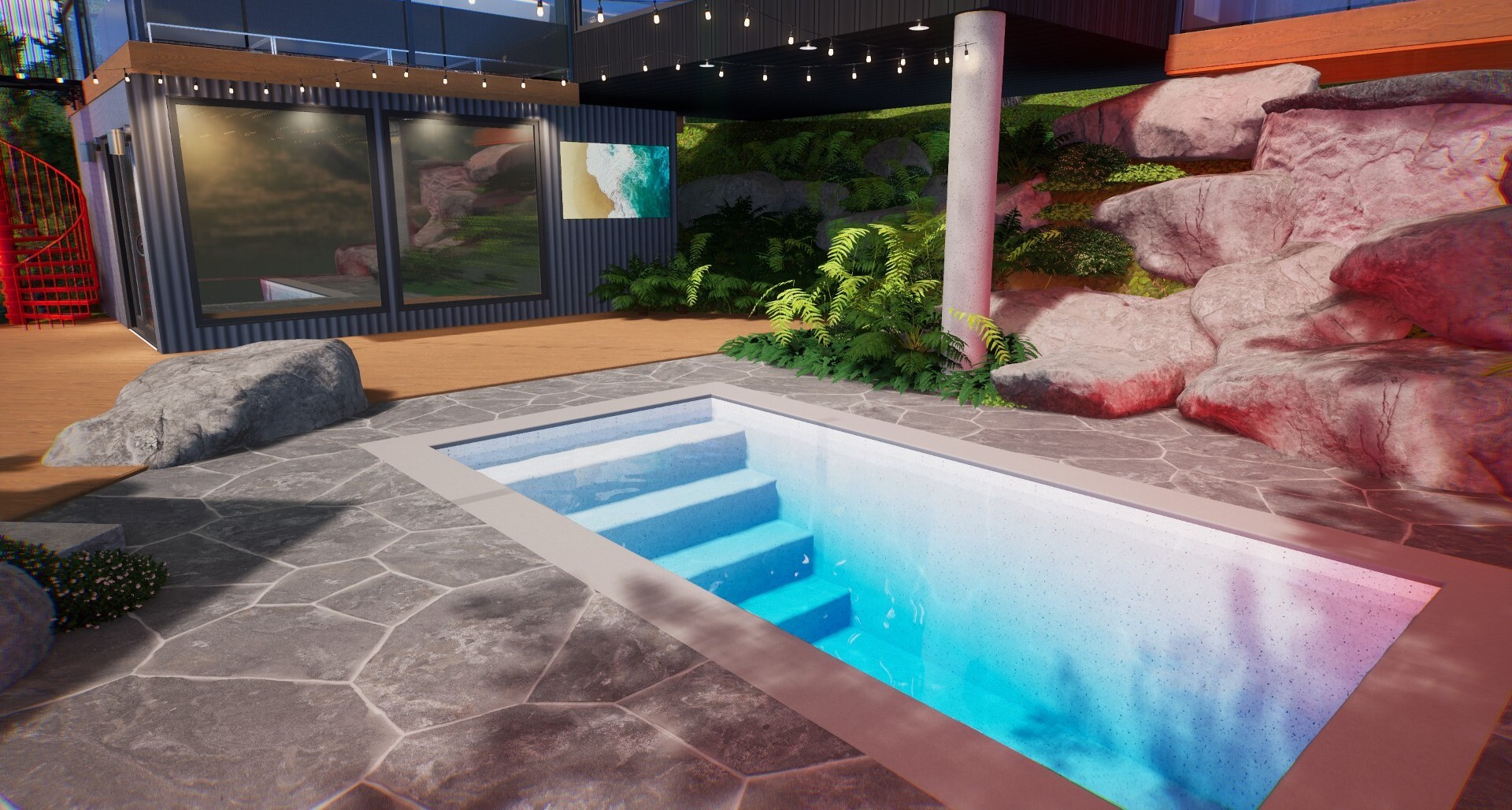
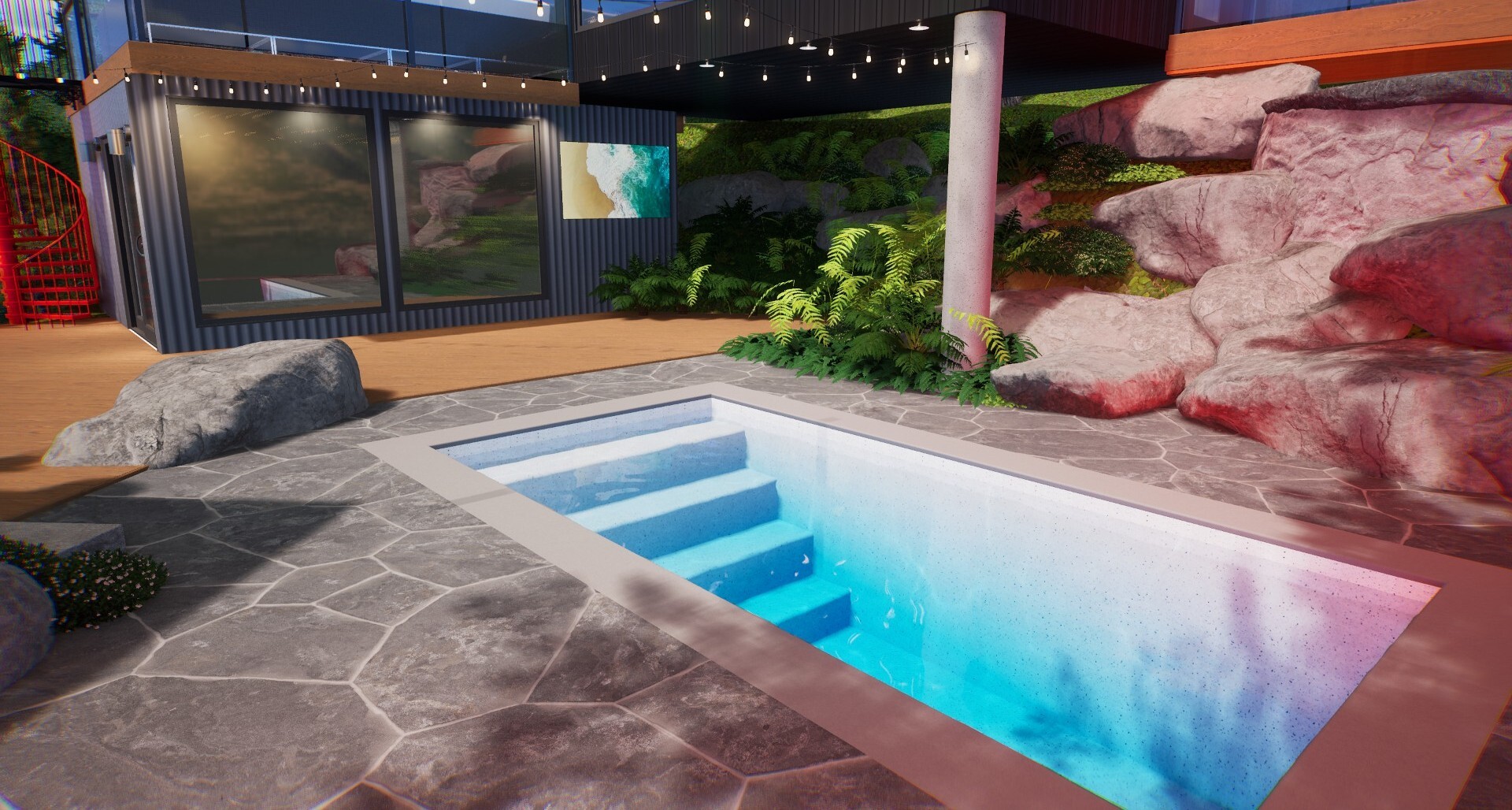
Coastal Pools and Spas has been installing fiberglass pools across Westchester, Putnam, Dutchess, Rockland, and the broader Hudson Valley region for over twenty years. We are an experienced fiberglass pool dealer and installer, which means we source high-quality shells from proven manufacturers and manage the entire installation process in-house from excavation to decking. We offer free consultations and 3D design previews so you can see your finished backyard before a single shovel hits the ground. Our team will also walk you through the total cost of ownership so you can make a fully informed decision, not just a decision based on the sticker price.Conclusion
Fiberglass pools offer one of the best combinations of quality, low maintenance, and long-term value available in the residential pool market today. For homeowners in New York who want a beautiful, durable, and cost-efficient pool without years of expensive upkeep, fiberglass pools are an outstanding option. Professional Pools installation in New York services also make it easier to create a customized outdoor space that combines style, functionality, and long-term value for your home. The key to a successful installation is choosing a contractor with real experience in fiberglass pool systems. Coastal Pools and Spas brings over twenty years of that experience to every project we take on.FAQ’s
How long do fiberglass pools last?
A well-maintained fiberglass pool will last twenty-five to thirty years or more. The gel coat surface can be refinished if needed, but most owners go decades without requiring it.
Can fiberglass pools be installed on a sloped yard?
Yes. A sloped yard requires additional excavation and potentially a retaining wall on one side, but it does not prevent installation. Your contractor should assess the site before quoting.
Are fiberglass pools safe for children?
Yes. The smooth, non-abrasive gel-coat surface is gentler on skin than rough plaster or concrete, which makes it a popular choice for families with young children.
Do fiberglass pools require less maintenance than concrete?
Yes. The non-porous surface resists algae, which means fewer chemicals and less time scrubbing. Most fiberglass pool owners spend significantly less on maintenance each year than concrete pool owners.
What sizes and shapes are available?
Manufacturers offer a wide range of mold designs, from compact plunge pools to large family-sized pools with tanning ledges, benches, and deep-end sections. Your dealer will show you the full catalog during your consultation.