Skip to content
You can spend weeks researching pool shapes, materials, and features, but none of those decisions will matter if the person you hire to build the pool does not know what they are doing. The in ground pool contractor you choose is the single most important decision in your entire pool project. A strong contractor turns a good design into a great pool, while a weak one can turn a great design into a costly problem.
For homeowners planning Pools installation in New York, choosing an experienced and reliable contractor is essential for ensuring quality construction, proper permits, durable materials, and a smooth installation process from start to finish.
This blog is a practical, no-nonsense hiring guide for New York homeowners. It covers what an in ground pool contractor actually does, what credentials and questions matter, how to evaluate competing quotes, and what red flags to watch for at every stage of the process.
What an in ground pool contractor actually manages
The term in ground pool contractor covers a broad scope of work. A full-service contractor is not just someone who digs a hole and drops a shell in it. They are a project manager responsible for coordinating multiple trades, obtaining permits, managing a construction timeline, and delivering a finished outdoor environment that meets local building codes and your personal expectations. The specific responsibilities of an in ground pool contractor include site assessment and soil evaluation, permit applications with your local municipality, excavation and shoring where required, plumbing and hydraulic system installation, electrical rough-in for pumps, heaters, and lighting, shell installation or concrete forming depending on pool type, backfill, coping, and decking, equipment startup and water balancing, and final inspection sign-off. Not every contractor handles all of these in-house. Some use subcontractors for electrical or concrete work. Understanding which parts of the project your contractor self-performs and which they subcontract out is an important part of the hiring conversation.Licensing and insurance requirements in New York
New York State requires home improvement contractors to be licensed in the county where work is performed. In Westchester County, for example, a contractor must hold a valid Westchester County Home Improvement Contractor license. This is especially important for homeowners investing in Custom Gunite Pools in Westchester County, as experienced and properly licensed contractors help ensure high-quality construction, code compliance, and long-term durability for luxury pool projects.Similar requirements apply in Putnam, Dutchess, and Rockland counties. Beyond licensing, any in ground pool contractor working on your property must carry general liability insurance and workers compensation insurance. General liability protects your property if something is damaged during construction. Workers compensation covers any workers injured on your site. If a contractor cannot produce current certificates for both, do not hire them regardless of how low their quote is. You should also verify that any subcontractors the contractor uses carry their own coverage. A subcontractor’s injury on your property can become your liability if the primary contractor’s policy does not extend to cover them and the subcontractor carries no insurance of their own.Questions to ask every in ground pool contractor before hiring
About experience and track record
- How many in ground pools have you installed in this county in the past three years?
- Can you provide references from at least three completed projects similar to mine?
- Do you have photos of completed installations I can review?
- Have you worked on properties with similar soil conditions or site constraints to mine?
About the project itself
- Which parts of this project will you self-perform and which will you subcontract?
- Who will be on-site supervising the work daily?
- What is your realistic timeline from permit application to final inspection?
- What happens if you encounter unexpected site conditions like rock or high water table?
About the contract and warranty
- What does your written contract cover and what is explicitly excluded?
- What warranty do you provide on your workmanship separate from the manufacturer’s warranty?
- What is your process for handling punch-list items after the project is complete?
How to evaluate competing quotes
Getting multiple quotes from different in ground pool contractors is standard practice, but comparing them accurately is harder than it looks. Most homeowners make the mistake of comparing bottom-line numbers without understanding what each number includes. A detailed quote should itemize excavation, pool shell or concrete materials, plumbing, electrical, equipment such as pump, filter, and heater, coping, decking, permits and inspections, and any landscaping restoration. If one quote is significantly lower than others, the most likely explanation is that something is missing from the scope, not that the contractor is more efficient. Ask each contractor to walk you through their quote line by line. The quality of that conversation will tell you as much about the contractor as the numbers themselves.Comparing in ground pool contractors: what separates them
| Criteria | Coastal Pools and Spas | General contractors | Small local operators |
| Pool-specific experience | 20+ years dedicated | Mixed, project-dependent | Varies widely |
| In-house trades | Full scope in-house | Typically subcontracted | Often subcontracted |
| Permit management | Handled end to end | Sometimes owner-managed | Inconsistent |
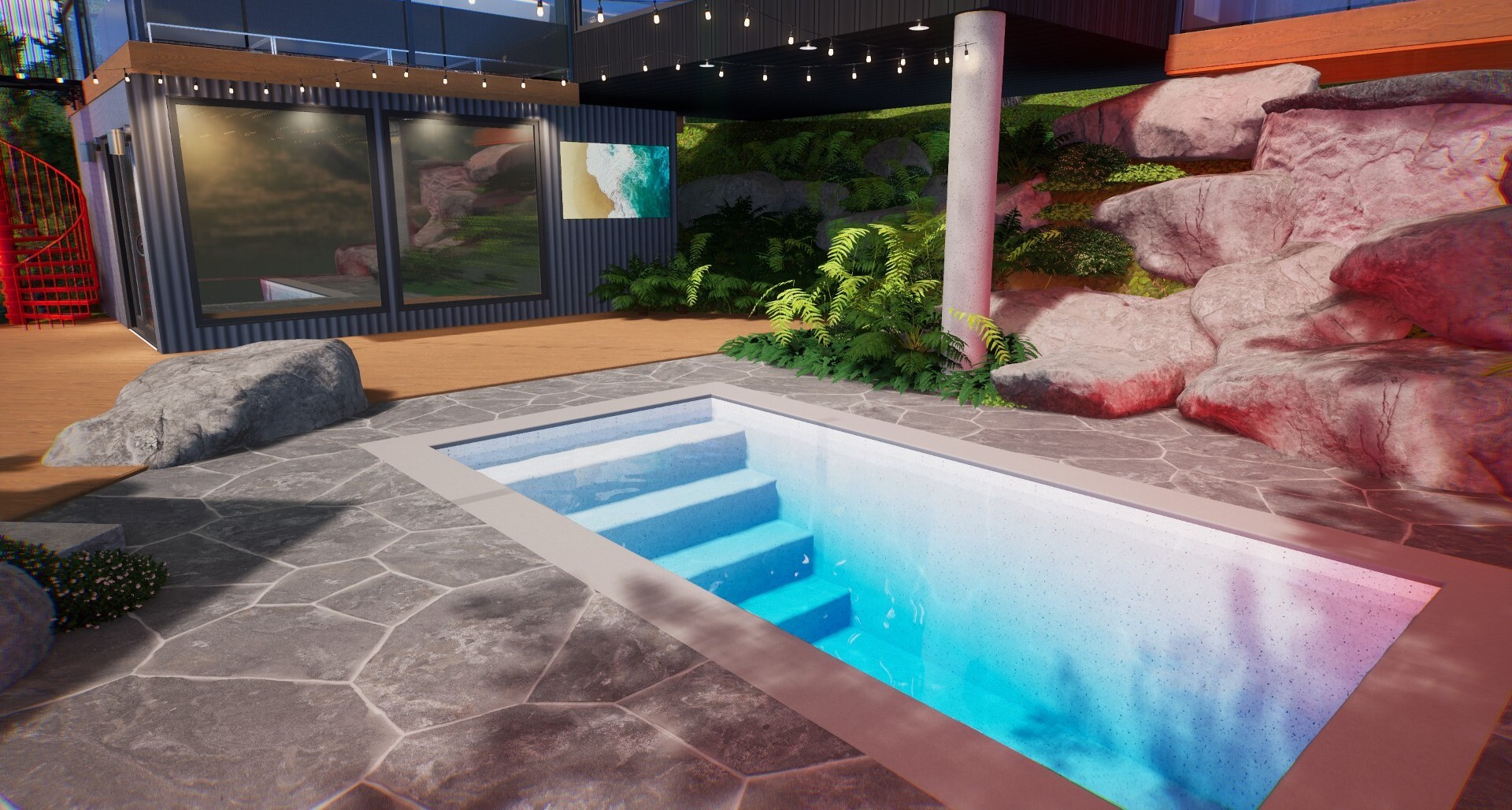
| 3D design preview | Yes, before any work | Rarely offered | Rarely offered |
| Pool type range | Fiberglass and gunite | Usually one type | Usually one type |
| Outdoor living scope | Full backyard builds | Pool only typically | Pool only typically |
| Post-installation support | Ongoing service available | Limited | Limited |
| Reference availability | Extensive local portfolio | Limited pool references | Few verifiable projects |